
Practical, field-tested strategies to make your essays read smoothly, stay focused, and score higher.
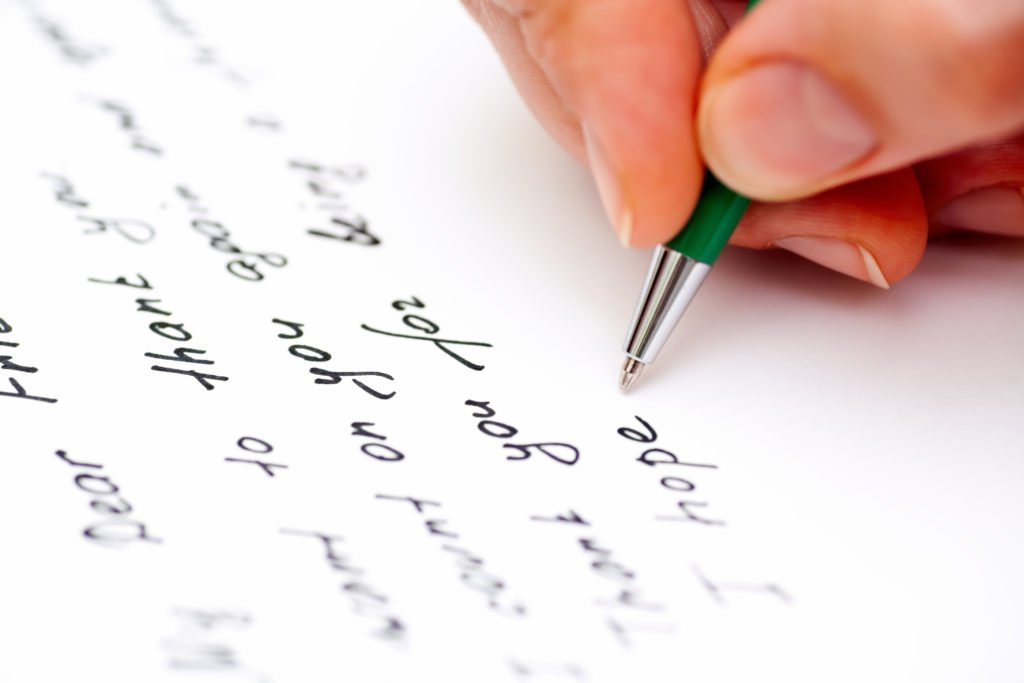
Ever begun an essay confident — then halfway through realised your thoughts don’t connect? This happens to most students. Good ideas matter, but so does how you present them. Below are practical, step-by-step techniques to improve your academic writing flow, sharpen structure, and make your argument easier to follow.
What Writing Flow Really Means
Writing flow = the smooth movement of ideas from one sentence to the next, and from one paragraph to the next.
- Jumpy or disjointed paragraphs
- Repeated vocabulary or ideas
- Long, unfocused sentences
- Logical transitions
- Varied sentence rhythm
- Clear topic sentences
10 Practical Techniques to Improve Flow
1. Start with a Clear Outline
A good outline prevents idea-jumping and keeps the entire essay focused.
2. Use Transitions Intentionally
Transition words act like road signs for your readers.
3. One Idea Per Paragraph
Start with a topic sentence → support → linking sentence.
4. Vary Sentence Length
Short + long sentences create rhythm that keeps readers engaged.
5. Prefer Clear Words
Clarity is more valuable than complex vocabulary.
6. Use Active Voice Mostly
Active sentences are almost always clearer.
7. Link Paragraphs
Mini-transitions help paragraphs flow into each other smoothly.
8. Read Aloud
If you can’t read a sentence in one breath, it’s too long.
9. Use Formatting
Headings and bullets help markers follow your argument easily.
10. Edit in Layers
Structure → flow → proofreading.
- Clear topic sentences?
- Logical transitions?
- Varied sentence rhythm?
- Formal academic tone?
- Edited in layers?
Mini-story: The 2am Rewrite
Picture this: it’s 2am, and you’re rewriting the same paragraph again. The issue isn’t vocabulary — it’s structure. With a clear outline and layer-based editing, late-night rewrites become quick fixes, not full rewrites.
Common Mistakes Students Make
- No outline → loss of focus
- Too many ideas in one paragraph
- Relying on spellcheckers
- Weak transitions
- No layered editing
Advanced Tips (For Higher-Level Work)
- Triangulate evidence: combine data + studies + examples
- Signal limitations: shows academic maturity
- Discuss implementation: feasibility matters
- Use short subheadings: examiners love structure
Our experts at WittyEssay provide detailed editing and rewriting while preserving your voice.
Get editing helpFAQs
Q: How long does it take to improve writing flow?
A: 3–5 essays with deliberate editing.
Q: Will editors change my voice?
A: No — good editors refine, not rewrite your identity.
Q: Is using AI risky?
A: Only if you submit AI text directly. Use it for ideas and planning.
Q: Best single tip?
A: Outline + layered editing.
Abraham Itech Solutions has delivered another quality piece. Informative, helpful, and very well-crafted!
I really appreciate the effort behind this blog. It’s organized, clear, and highly educational.
“Amazing content! The way the concepts are explained makes it easier for students to apply them in their assignments and research work. Thank you for sharing.